shape

Pediatrics

Department of Pediatrics

“Dedicated to Nurturing Healthy Futures”

OVERVIEW

At MAKNG Medical College & Hospital, our Pediatrics Department is committed to nurturing the health and well-being of children from the neonatal stage through adolescence. We blend compassionate care, advanced medical technology, and family-centered practices to ensure the best possible outcomes for our young patients.

Vision & Mission
Vision

To be a center of excellence in pediatric healthcare, education, and research, contributing to healthier futures for children across India and beyond.

Mission

To deliver personalized, cost-effective, and compassionate healthcare to infants, children, and adolescents, while fostering excellence in pediatric medicine through evidence-based education, clinical innovation, and research-driven practice.

Infrastructure & Facilities
  • Dedicated Pediatric OPD and Emergency Unit
  • 15-bed Level 2B NICU – 12 NICU beds for specialized care for critically ill newborns, A 3-bedded Step-down unit
  • 12-bed PICU – Intensive care for pediatric patients [04 ICU beds, each with one mechanical ventilator; 07 HDU beds; NIV/HFNC, 1 Isolation Room]
  • Child-friendly pediatric ward (48 beds)
  • Baby Corners (L/R; OT)– Equipped for neonatal resuscitation
Academic Activities
  • MBBS Training Program – Proposed intake of 150 students (under consideration of approval)
  • Faculty Development – Regular CME programs, workshops, and seminars
  • Clinical Research – Active contributions to national and international journals
  • Community Outreach – Triple Screening of pregnant women for HIV, Hepatitis B, and Syphilis to enable early diagnosis and prevent mother to child transmission of these serious infections, Health Camps,etc
Pediatric Services
Outpatient services (OPD):

Diagnosis and Management of

  • Routine check-ups, Well Baby Clinic
  • Preventive care & Immunizations
  • Neonatal resuscitation and newborn care
  • Promotion of Breast Feeding & IYCF Counseling
  • Management of all types acute & chronic illnesses
  • Pediatric emergency services
  • Follow-up of High-Risk Nursery Discharges
    • Growth & Development Monitoring
    • Neuro-developmental Assessment
    • ROP Screening
    • Hearing Assessment (OAE, BERA)
    • Neurosonography, Echocardiography
  • Inpatient care with specialized NICU, pediatric wards & PICU
  • Health education and family empowerment programs

FACULTY

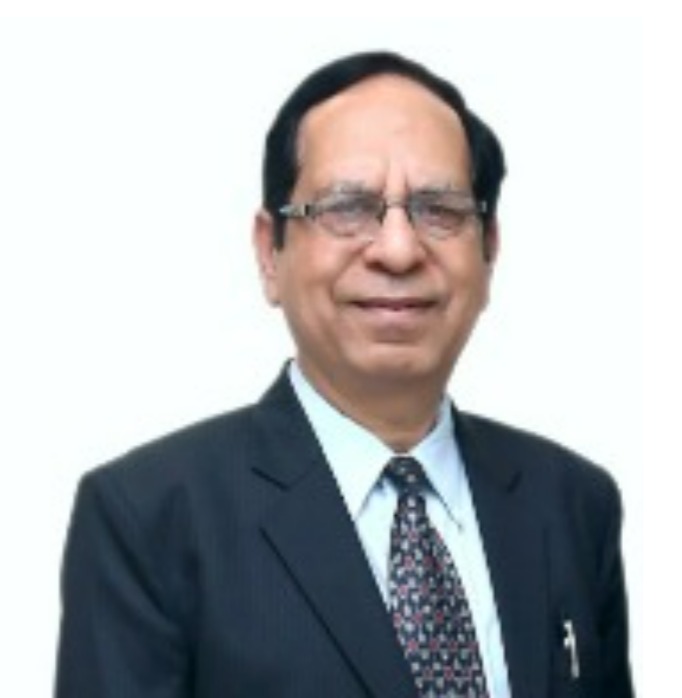
Dr. Anil Kumar Gupta
Senior Consultant Pediatrician & Assistant Professor

Dr. Anil Kumar Gupta is a distinguished pediatrician, researcher, and medical teacher with over 39 years of service in pediatric healthcare, focusing on neonatology, pediatric infectious diseases, and adolescent health. He currently serves as Senior Consultant Pediatrician and Assistant Professor at Maharaja Agrasen Kedar Nath Gupta Medical College, Bahadurgarh, Haryana.

He superannuated from the Central/Delhi Health Services as Senior Consultant Pediatrician, having steered pediatric departments in top government hospitals including Safdarjung Hospital, Guru Gobind Singh Government Hospital, Maharishi Valmiki Hospital, and Deep Chand Bandhu Hospital. His career reflects a legacy of leadership in clinical pediatrics, public health, and medical education.

Held the position of Additional Project Director and Technical Lead at Delhi State AIDS Control Society, Govt of Delhi responsible for training and capacity building of specialists, medical officers, and nurses across all Delhi major hospitals and health facilities. Served as master trainer and led several innovative implementation research projects.
Education:
MD (Pediatrics)– J.N. Medical College, AMU; Adolescent R&SH Course – Lund University, Sweden; Principles of Clinical Research Course–Washington University, USA

Academic honors :
University Medals and the Best Graduate of the Year Award (1982) for securing First Position in Final MBBS.

Expertise:
Neonatal Intensive Care, Perinatal Medicine, Adolescent Health, Clinical Research

Awards:
ICMR Research Award (2014)

Clinical Innovations:
  • Introduced Non-Nutritive Sucking in 1990: Improved feeding and weight gain in preterm/low birth weight neonates.
  • Research Study on Large for Gestational Age Neonates (1990): Differentiated risks between babies of diabetic mothers and constitutionally large non-diabetic parents.
  • Introduced Ceftriaxone in 1990: Treated multi-drug-resistant E. coli diarrhea; key to its adoption in India.
  • Launched BERA Hearing Screening in Neonatal ICU in 1990: Enabled hearing screening in high-risk neonates.
  • Launched Neonatal Point of Care Neurosonography in NICU (1990): Early diagnosis of intracranial hemorrhage, ventriculitis, hydrocephalus, and cystic PVL.
  • Innovation in HIV Management (2013): Developed Algorithms for Prevention, early diagnosis (DNA PCR at age of 6 weeks), and timely initiation of Antiretroviral treatment by 3 months of age for HIV-positive infants of HIV-positive mothers.
Research Areas:
  • Neonatal Neurosonography
  • BERA Hearing Screening in At-Risk Neonates
  • Neonatal Sepsis
  • Childhood Obesity & Hypertension
  • HIV Prevention & ART in Infants
  • Hospital-Acquired Infection Control in NICU
  • Oxygen Therapy in Pediatric Practice
  • Pediatric Chest & Abdominal X-rays – Interpretations
Research Publications:
International Journals
  1. Radiology pearls: decoding abdominal x-ray interpretation in pediatric patients. J Pediatr Neonatal Care. 2024;14(3):199‒203. DOI: 10.15406/jpnc.2024.14.00567
  2. Regarding the article “belly dancer’s syndrome - A diagnostic challenge” Nascer e Crescer - Birth and Growth Medical Journal 2024;33(2):153-154. doi:10.25753/BirthGrowthMJ.v33.i2.34250
  3. Traumatic separation of distal femoral epiphysis in a neonate following breech delivery: a case report. J Pediatr Neonatal Care. 2024;14(3):212‒213. DOI: 10.15406/jpnc.2024.14.00569
  4. Early Diagnosis of HIV in Children below 18 months using DNA PCR Test—Assessment of the Effectiveness of PMTCT Interventions and Challenges in Early Initiation of ART in a Resource-Limited Setting. Journal of Tropical Pediatrics 2013; 59 (2): 120–126, https://doi.org/10.1093/tropej/fms063
  5. Efficacy of a new model for delivering integrated TB and HIV services for people living with HIV/AIDS in Delhi case for a paradigm shift in national HIV/TB cross-referral strategy. AIDS Care 2014; 26(2):137-41. http://dx.doi.org/10.1080/09540121.2013.808734
  6. Challenges in Retention of Patients in Continuum of HIV-Care in Delhi—Experience of a Decade & Way Ahead. World Journal of AIDS 2014; 4: 387-395 http://dx.doi.org/10.4236/wja.2014.44046
  7. Implementation and impact of a post exposure prophylaxis helpline. Occupational Medicine, 2015; 65(5):398-401. doi: 10.1093/occmed/kqv053.
  8. Implementation of prevention of mother-to-child transmission of HIV programme through private hospitals of Delhi – policy implications. AIDS Care, 2015; 27(12), 1487–1492. https://doi.org/10.1080/09540121.2015.1026305
  9. Do Insults to the Developing Lung Increase the Incidence of Wheezing in Infants. J Trop Pediatr 1994; 40 (1): 29-31. https://doi.org/10.1093/tropej/40.1.29
  10. Epidemiology of Pseudomonas aeruginosa infections in a neonatal intensive care unit. J Trop Pediatr 1993; 39 (1): 32-36. https://doi.org/10.1093/tropej/39.1.32
  11. Role of Bacteriological Monitoring of the Hospital Environment and Medical Equipment in a Neonatal Intensive Care Unit. Journal of Hospital Infection 1991; 19 (4), 263–271 https://doi.org/10.1016/0195-6701(91)90244-3
  12. Ready Reckoner on Oxygen Therapy in COVID-19 Patients for Use of Medical Practitioners. EC Paediatrics 10.12 (2021): 88-92.
National Journals
  1. PMTCT Cascade in Delhi -Are We Ready to Launch New WHO PMTCT Strategy to Eliminate Pediatric HIV. IOSR Journal of Dental and Medical Sciences, 2012; 1(4):17-19
  2. Transcranial Real-time Ultrasonography- A diagnostic tool in neonatal Intracranial Hemorrhage. Indian Pediatrics, 1993; 30(2):223-231
  3. Ultrasonic evaluation of neonatal sub-ependymal-intraventricular hemorrhage and its complications. Indian J Pediatrics 1993; 60(1):11
  4. Ultrasound evaluation of kidney dimensions in neonates. Indian Pediatrics, 1993; 30(3), 319-324Evaluation of risk factors for Hearing Impairment in at risk neonates. Indian Journal of Pediatrics 1991; 58(6):849-855
  5. Influence of family history of morbid cardiovascular events on blood pressure levels of school children Indian Pediatrics1991; 28(2):131-9
  6. Daytime Urinary Frequency Syndrome in Childhood. Indian Pediatrics 1990; 27(7):752-754
  7. Childhood Obesity & Hypertension. Indian Pediatrics 1990; 27(4):337-337
  8. Antipyretics in Pediatrics practice. Indian Pediatrics 1990; 27(2):216-222
  9. Normal Blood Pressures and Evaluation of Sustained Blood Pressure evaluation in Childhood. Indian Pediatrics 1990; 27(1):33-42
  10. Auditory brainstem responses (ABR) in neonates with hyperbilirubinemia. Indian J of Pediatrics 1990; 57(5):705-11
  11. Ceftriaxone. Indian Pediatrics 1990; 27(7):380-384
  12. Unusual rib destruction in pleuro-pulmonary tuberculosis. Indian J Chest Dis and Allied Sciences. 1991; 33(2):87-89
  13. Lennox Gestaut Syndrome in association with tuberous sclerosis. Indian Pediatrics 1989; 26(11):1164-1165
  14. Cosmetic Plumbism. Indian Pediatrics 1990;27(7):760-761
  15. Multiple Pleural Masses – an unusual presentation of Tuberculosis. Indian J Pediatrics 1990; 57(5):727-729
  16. Neurosonographic Abnormalities in Neonates with Hypoxic-Ischemic Encephalopathy. Indian Pediatrics 1994; 31:767-73
  17. Special Article- What Constitutes a Safe Level of Bilirubin Concentration in Preterm & Full-Term Infants? Indian Journal of Pediatrics 1993, 60:475-483
  18. Hearing Screening by brainstem auditory evoked responses (BAER) in neonates at risk. Indian Pediatrics 1991;28(10):1175-1183
  19. Auditory brainstem response in neonates with hypoxic-ischemic-encephalopathy following perinatal asphyxia. Indian Pediatrics. 1991; 28(8):901-7
  20. Coagulase negative Staphylococcal Septicemia in new-born. Indian Pediatrics, 1991;28(11):1241-1248
  21. BERA- A diagnostic tool in neonatology. Indian Pediatrics 1990; 27(10): 1039-1044
  22. How dangerous are diagnostic X Rays in Pediatrics Practice. 1990; 27(1):1235-1240
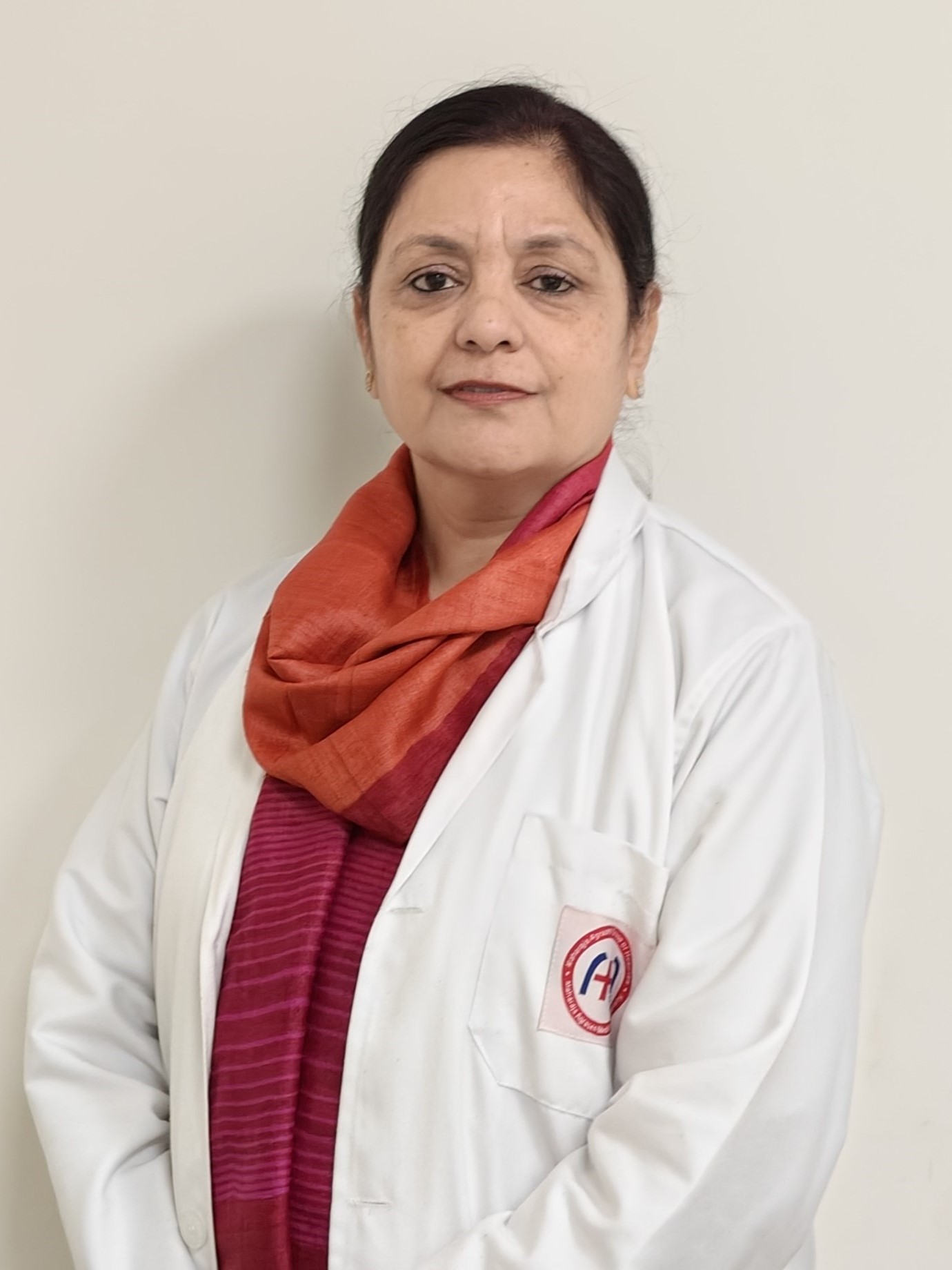
Dr. Mandeep Walia
MBBS, MD (Paediatrics), MNAM | Fellowship, Paediatric Pulmonology | Associate Professor, Paediatrics

Dr Mandeep Walia has 25 years of clinical experience in paediatrics and over 13 years teaching experience as faculty in renowned medical institutes of the country. She has done fellowship training in Pediatric Pulmonology from University of British Columbia, Canada and All India Institute of Medical Sciences, Delhi. Her expertise in pulmonology includes managing chronic and complex respiratory diseases, Pediatric and Neonatal Bronchoscopy (Performed more than 500), Lung Oscillometry Test, Sleep Study, Skin allergy test and home ventilation. Dr Walia has tremendous interest in research and has 24 publications in National and International journals and 5 book chapters to her credit.

Educational Qualifications:
  • M.B.B.S- Lady Hardinge Medical College, Delhi
  • MD- VMMC & Safdarjung Hospital, Delhi
  • Fellowship- Pediatric Pulmonology, University of British Columbia, Canada
  • Post Graduate Diploma in Epidemiology, Indian Institute of Public Health, Delhi
Professional Experience:
  • Assistant Professor, Department of Pediatrics, Maulana Azad Medical College, Delhi (2014-2017)
  • Assistant Professor, Department of Pediatrics, PGIMER, Chandigarh (2011-2014)
  • Assistant Professor, Department of Pediatrics, Pt.B.D. Sharma University, Rohtak (2009-2011)
  • Assistant Professor, Department of Pediatrics, Chacha Nehru Bal Chikitsalaya, Delhi (2006-2009)
  • Senior Research Associate, Division of Pediatric Pulmonology, AIIMS, Delhi (2005-2006)
Awards & Achievements:
  • IMA President (South Delhi) Appreciation award for Proficiency in Academics & Service to society, April 2024
  • Best Poster: “Assessment of inhalation technique and determinants of incorrect performance among children with asthma”, National Conference, IAP-Respiratory Chapter, RESPICON- 2006
  • Secretary, South Delhi Pediatric Study Group-2023
  • Joint secretary, Respiratory Chapter, IAP Delhi- 2007-2009 and 2009-2011
Professional Society Membership:
  • Member, National Academy of Medical Sciences, India
  • Member, Indian Academy of Pediatrics
  • Member, Respiratory Chapter, Indian Academy of Pediatrics
  • Member, European Respiratory Society
Publications:
  1. Walia M, Goyal V, Jain P. Post-Measles Bronchiolitis Obliterans in a 3-y-old Girl. Indian J Pediatr. 2012 Mar;79(3):399-400.
  2. Gathwala G, Walia M, Bala H, Singh S. Recombinant human granulocyte colony stimulating factor in preterm neonates with sepsis and relative neutropenia: a randomized, single-blind, non-placebo controlled trial. J Trop Pediatr 2012 feb;58(1):12-8.
  3. Walia M, Goyal V, Jain P. Swyer-James-Macleod syndrome in a 10-year-old boy misdiagnosed as asthma. Indian J Pediatr 2010 Jun;77 (6):709
  4. Walia M, Paul L, Satyavani A, Lodha R, Kalaivani M, Kabra SK. Assessment of inhalation technique and determinants of incorrect performance among children with asthma. Pediatr Pulmonol 2006 Nov;41(11):1082-7
  5. Walia M, Gaind R, Paul P, Mehta R, Aggarwal P, Kalaivani. Age-related clinical and microbiological characteristics of enteric fever in India. Trans R Soc Trop Med Hyg 2006 Oct;100 (10):942-8.
  6. Walia M, R Gaind, Mehta R, Paul P, Aggarwal P, K Mani. Current perspectives of enteric fever: a hospital based study from India. Ann Trop Pediatr 2005 Sep;25(3):161-74.
  7. Walia M, Mehta R, Paul P, Saluja S, Kapoor S. Idiopathic myelofibrosis with generalized periostitis in a 4 year old girl. J Pediatr Hematol Oncol 2005 May;27(5):278-82.
  8. Walia M, Paul P, Mishra S, Mehta R. Congenital langerhans cell histiocytosis: the self-healing variety. J Pediatr Hematol Oncol 2004 Jun;26(6):398-402.
  9. Walia M. Systematic Review on Efficacy of Magnesium (Intravenous or Nebulized) for Acute Asthma Episodes in Children: Pediatric Pulmonologist's Viewpoint. Indian Pediatr. 2017 Feb 15;54(2):136-137.
  10. Jaiswal A, Mallya V, Singh V, Walia M, Khurana N. Hemophagocytic lymphohistiocytosis secondary to multiple infections: Case report of a rare entity. Indian J Pathol Microbiol. 2017, Jan-Mar,60(1):137-138.
  11. Verma S, Sahoo T, Walia M, Didel S, Sahu JK. Potassium Depletion Myopathy Following Acute Gastroenteritis. Indian J Pediatr. 2014 Nov;81(11):1258-9.
  12. Sharda S, Angurana SK, Walia M, Attri S. Defect of Cobalamin Intracellular Metabolism Presenting as Diabetic Ketoacidosis: A Rare Manifestation. JIMD Rep. 2013 Apr 2.
  13. Singh M, Walia M, Agarwal A. Community-acquired pneumonia in children. World Clin Pulm Crit Care Med.2012;1(1):117-23.
  14. I am still around. Clinicopathological Conference Report. Journal of Post Graduate Medical Education and Research 2012;46(1):51-59.
  15. Agarwal A, Gulati D, Rath S, Walia M. Rickets: a cause of delayed walking in toddlers. Indian J Pediatr 2009 Mar;76(3):269-72.
  16. Walia M. Allergic Rhinitis. Supplement on Cough. Indian J Pediatr 2008;75 (2):S12-17.
  17. S Sindhu, Walia M, Lodha R, Kabra SK. Factors associated with treatment failure in childhood tuberculosis. Indian Pediatr 2008 Sep;45(9):769-71.
  18. Kabra SK, Bhargava S, Lodha R, Satyavani A, Walia M. Idiopathic pulmonary hemosiderosis: clinical profile and follow up of 26 children. Indian Pediatr 2007 May;44 (5):333-8.
  19. Rauf A, Singhi S, Nallasamy K, Walia M, Ray P. Non-Respiratory and Non-Diarrheal Causes of Acute Febrile Illnesses in Children Requiring Hospitalization in a Tertiary Care Hospital in North India: A Prospective Study. Am J Trop Med Hyg. 2018 Sep;99(3):783-788.
  20. Walia M. An approach to rhinitis in children. Pediatric Pulmonology Update. Jan-Dec 2007.
  21. Walia M. Acute bacterial sinusitis. Bulletin of Indian Academy of Pediatrics (Delhi) 2007 Sep;25(3):13-14.
  22. Walia M, Lodha R, Kabra SK. Montelukast in pediatric asthma management. Indian J Pediatr 2006 Apr;73(4):275-82. Review.
  23. Guglani L, Lodha R, Walia M, Kabra SK. Management of Acute Asthma. Supp-Indian J Pediatr 2006;73:S24-S31.
  24. Walia M, Cherian J. Nebulized magnesium sulphate in the treatment of acute asthma: current evidence. Pediatric Pulmonology Update. 2005 Jun-Dec;5:29-30.
Bibliography: Book Chapters
  1. Walia M, Aradhya AS. Pneumothorax and air leaks. In: Gupta P, Menon PSN, Ramji S, Lodha R. PG Textbook of Pediatrics. 1st ed. New Delhi: Jaypee Brothers: 2015.p.1731-1734.
  2. Walia M. Management of recurrent wheezing in children under five years. In: Singh M, Mathew JL, Walia M, Vaidya P, Thumburu K. Evidence Based Management of Respiratory Disorders in Children- Year Book 2014.
  3. Singh M, Vaidya P, Walia M. Bronchial asthma-clinical presentation and guideline based management. In: Wang Yuan De, Gaur SN. Allergic Rhinitis and Asthma. 2012.
  4. Guglani L, Lodha R, Walia M, Kabra SK. Acute exacerbation of asthma. In: Kabra SK, Lodha R, editors. Essential Pediatric Pulmonology.2nd ed. New Delhi: Noble Vision: 2010.p.175-185.
Papers Presented at Scientific Meetings
  1. Microbiological profile of pyogenic brain abscess in Pediatric & adult patients at PGIMER, Chandigarh- a 3 Year cross-sectional study” at 37th National Conference, Indian Association of Medical Microbiologists Hyderabad, 2013
  2. Flexible Fibreoptic Bronchoscopy in 158 children: an audit from a tertiary care centre in India” at 24thNational Conference, IAP Respiratory Chapter, Chandigarh, 2012.
  3. Assessment of inhalation technique and determinants of incorrect performance among children with asthma, National Conference, IAP Respiratory Chapter, Delhi, 2006.
  4. Quinolone resistant Salmonella typhi: Need of a new screening test and clinical response to treatment”, American Society for Microbiology Conference; Salmonella: Pathogenesis, epidemiology and vaccine development, Alghero (Sardinia), Italy, 2003
  5. Emerging trends of typhoid fever in India”, American Society for Microbiology Conference; Salmonella: Pathogenesis, epidemiology and vaccine development, Alghero (Sardinia), Italy, 2003
  6. Enteric Fever: Emerging Trends in antibiotic Resistance and its Therapeutic Implications for Clinicians”, 6th National Conference, IAP-Infectious Diseases Chapter, Agra, 2003
Research Training Courses
  1. Postgraduate Diploma in Epidemiology, Indian Institute of Public Health, Delhi, 2012.
  2. Workshop Systematic Reviews and Metaanalysis, IIPH, Delhi 2014
  3. Workshop Data Management, Analysis and interpretation in Quantitative Health Research, IIPH, Delhi 2013
  4. IAP-RCPCH-PGI course How to teach Evidence Based Medicine, PGIMER, Chandigarh 2010
  5. Faculty course Clinical Epidemiology & Research Method, Clinical Epidemiology Unit, Maulana Azad Medical College, Delhi 2008
  6. Short course in Fundamentals of Biostatistics & SPSS, Biostatistics Resource and Training Centre, CMC, Vellore, 2008
  7. Short course in Clinical Trial, Diagnostic Tests & Cluster Design, Biostatistics Resource and Training Centre, CMC, Vellore, 2008
Dr. Arushi Rai
Consultant Pediatrician, Pediatric Endocrinologist, & Assistant Professor

Dr. Arushi Rai is a renowned Paediatrician and Pediatric endocrinologist with exceptional academic, clinical, and research portfolio.

She completed her MBBS and MD in Pediatrics from the All-India Institute of Medical Sciences (AIIMS), New Delhi, the most premier medical institution in India, and subsequently pursued a senior residency in Pediatrics at AIIMS New Delhi. She further specialized in pediatric endocrinology through a post-doctoral fellowship at AIIMS Jodhpur, establishing herself as a leading clinician and academic in the field of pediatric endocrinology.

Dr. Rai has extensive clinical expertise in general pediatrics and pediatric endocrinology, with a focus on growth disorders, endocrine dysfunctions, metabolic disorders, adolescent health, and complex endocrine emergencies. Her previous clinical experience includes significant contributions at ESIC Model Hospital and Post Graduate Institute of Medical Sciences and Research (PGIMSR), Basai Darapur, where she provided comprehensive pediatric and pediatric endocrinology care.

Her research interests encompass growth and body composition in neonates and children, including work on body composition in preterm neonates. She has also contributed to the understanding and management of thyroid disorders and endocrine emergencies, including myxedema coma in children, reflecting her expertise in critical pediatric endocrine conditions.

Dr. Rai is deeply committed to medical education, with experience training undergraduate medical students, postgraduate residents, and paramedical staff with dedication, clarity, and an emphasis on both clinical excellence and compassionate patient care.

She is a Life Member of the Asia Pacific Pediatric Endocrine Society (APPES), and Indian Society for Pediatric and Adolescent Endocrinology (ISPAE), reflecting her engagement with pediatric endocrinology at regional, national, and international levels.

Role: At MAKNG Medical College, Dr. Rai seamlessly integrates her clinical expertise, research achievements, and teaching dedication, mentoring students and colleagues while delivering high-quality care to her patients. Her work embodies the synergy of clinical practice, research, and education, positioning her as a prominent leader in pediatric endocrinology and a valued asset to the institution and the broader medical community

Dr. Satish Mittal
Senior Consultant Pediatrician

Expertise:
Pediatrics & Adolescent Health

Education:
Diploma in Child Health (DCH)

Role:
Delivering pediatric care and clinical services with vast experience and dedication

Research and Publications:

Our department actively promotes innovation and evidence-based care through research and documentation of best practices for the benefit of patients and academia.

Career Relevance:
  • Hands-on clinical training for MBBS students
  • Mentorship from experienced faculty
  • Opportunities for research and publication
  • Exposure to public health programs and community outreach
  • Access to advanced pediatric and neonatal care infrastructure
  • Career pathways in clinical practice, academia, and research